
VILLAGE CONNECTION – Estero RiverPark, The Village’s First Conservation and Recreation Project
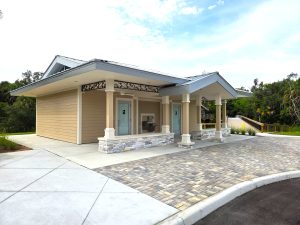
New facilities at RiverPark
The Village of Estero’s project, located at the northeast corner of U.S. 41 and Corkscrew Road, represents a long-term commitment to preserving natural resources while creating new opportunities for residents to enjoy the outdoors. The property stretches north toward County Road and Judeth Lane and east to the Seminole Gulf Railway corridor, encompassing a diverse landscape of wetlands, floodplain habitat and riverfront scenery.
Estero RiverPark is an initiative designed to protect environmentally sensitive lands south of the river and provide natural recreation for residents and visitors The project originated in response to community requests to preserve the area’s natural character rather than allow development.
In January 2019, the Village purchased the property for $24.5 million, an investment that at the time equaled roughly three times the municipality’s annual revenue. Before the acquisition, plans had been approved for a large-scale development featuring 530 residential units and approximately 300,000 square feet of commercial space. The Village Council chose a different path, amending the Comprehensive Plan and rezoning the property south of the river as open space and natural preserve.
The first phase of construction, which has been completed, includes an entrance road, parking area, restroom facility, pedestrian bridge spanning the Estero River and a network of walking paths. The Village opted to use dirt and mulch pathways rather than paved surfaces to reduce costs and maintain a more natural setting. Future improvements planned under Phase 2 include additional trails, and fencing along the property located south of the river.
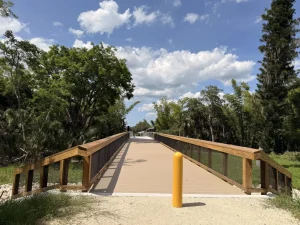
The new pedestrian bridge at Estero RiverPark
Environmental protection remains a central focus of the project. Much of the property lies within a Special Flood Hazard Area and includes portions of the Estero River floodway. Maintaining these natural floodplains helps reduce flood risks while preserving critical wildlife habitat and water quality. Project goals specifically include flood mitigation, ecosystem protection and the preservation of open space along the river corridor.
The site is also home to a nesting pair of bald eagles that have occupied the property since 2022. All activities are limited near the nest during nesting season, Oct. 1 through May 15. These protections have influenced project scheduling and underscore the ecological importance of the land.
One of the most significant features within Estero RiverPark is the historic Happehatchee Center property. The site was founded by renowned environmental advocate Ellen Peterson, whose efforts helped shape conservation initiatives throughout Southwest Florida. Peterson devoted decades to protecting rivers, wildlife habitat and environmentally sensitive lands.
The Happehatchee property became an eco-spiritual retreat and nature education center before Peterson’s death in 2011. Today, it serves as a reminder of the conservation legacy that inspired much of the Village’s vision for RiverPark. Portions of the property contain mature trees, wetlands and habitat for wildlife, including gopher tortoises, making preservation a priority.
When completed, Estero RiverPark will offer residents a place to walk, observe wildlife and experience some of the community’s natural landscapes.
As work progresses, Village leaders envision the park as both a recreational destination and a symbol of Estero’s commitment to protecting its environmental heritage for future generations.
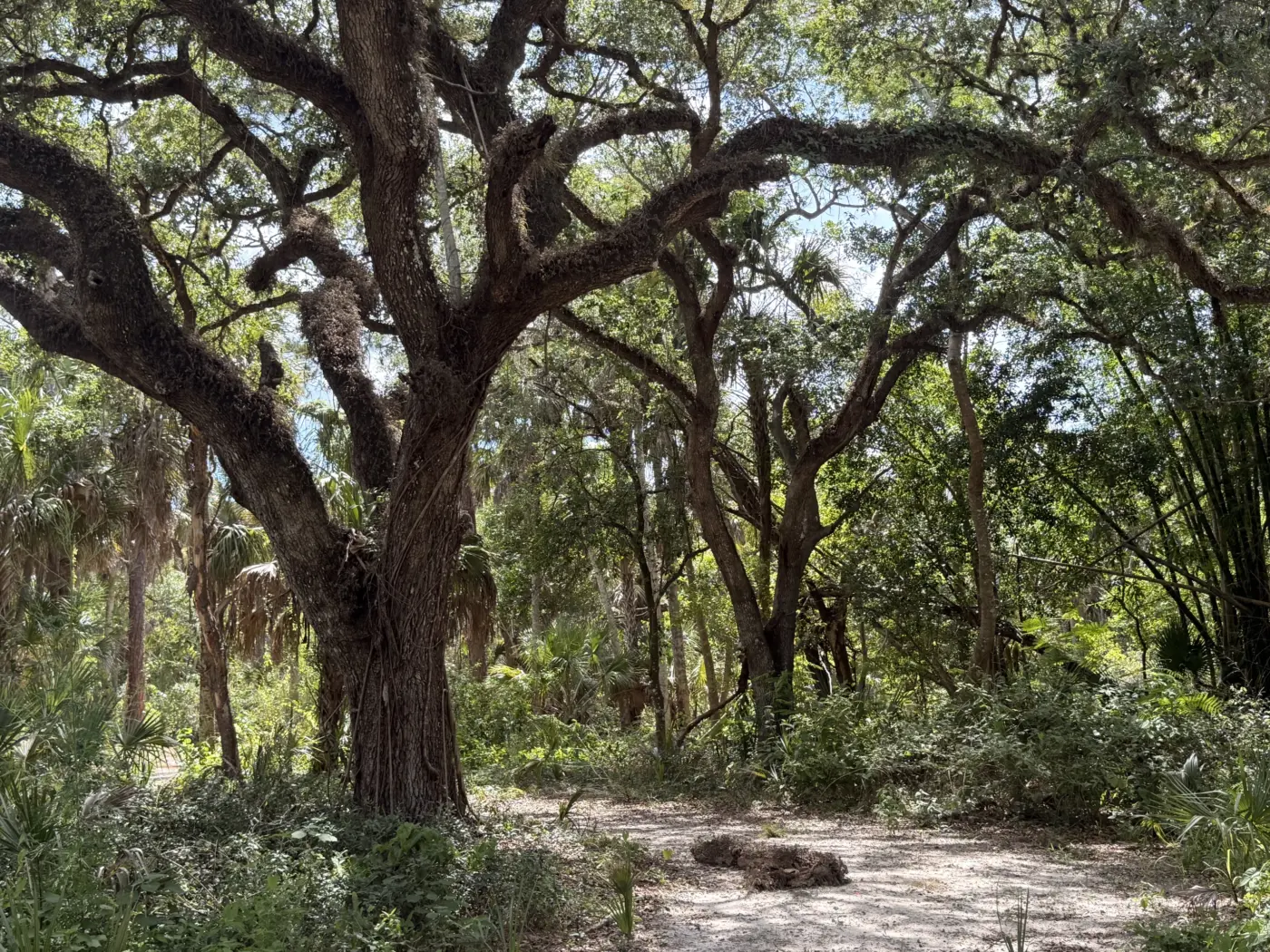
Visitors can walk the natural paths at RiverPark
When will he park be opened ?
Stay tuned for an official opening date from the Village of Estero.